1824

The birth of an industry and the first challenges
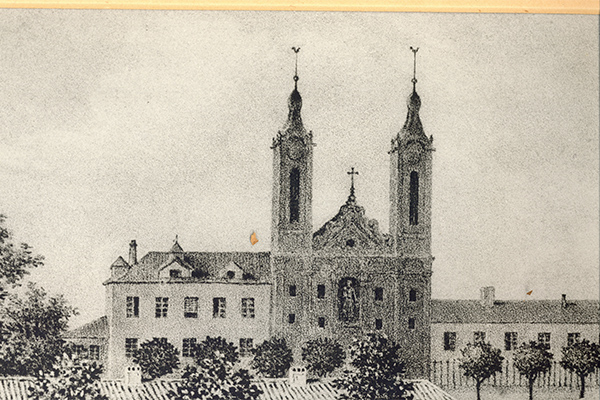
Founded in 1824 in Ílhavo, Aveiro, the Fábrica de Porcelana da Vista Alegre was the first industrial unit used for porcelain production in Portugal. The project of José Ferreira Pinto Basto began in 1812 when he purchased Quinta da Ermida and progressed in 1816 with the purchase of the Vista Alegre Chapel and surrounding land. In 1824, King João VI authorized the factory to be established by Royal Decree on July 1st. Five years later, the factory received the title of Royal Factory.
1824
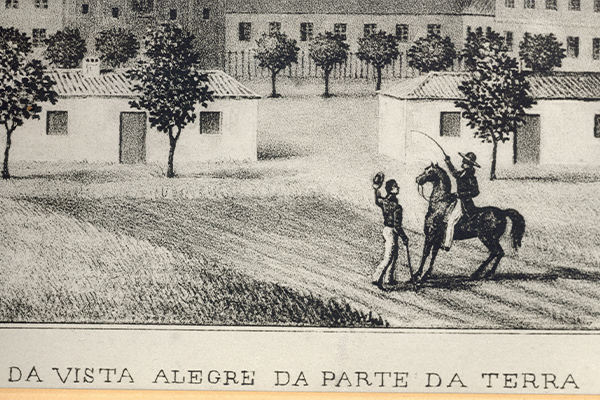
The first stages of production began with the production of glass and “stone powder” ceramics, due to the lack of manufacturing techniques and, above all, kaolin, the essential raw material in the composition of porcelain paste.
Glass production then reached high quality, especially with pieces featuring reliefs and faceted and engraved decoration, as well as delicate medallion inlay work.
1832
The beginning of porcelain manufacturing
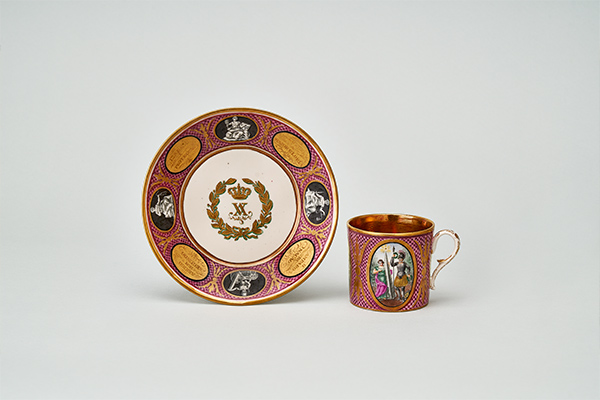
To overcome the difficulties in porcelain production, Augusto Ferreira Pinto Basto, son of the founder, visited the French factory in Sèvres to closely observe the technical procedures where, among other aspects, he studied the composition of the paste. In 1832, justifying Pinto Basto’s entrepreneurial venture, abundant deposits of kaolin were discovered north of Ílhavo. Between 1832 and 1840, the regular production of ceramics enabled a leap forward in the quality of the pastes and glazes, as well as various technological advances. Hiring foreign masters in ceramic art, sculpture and hand painting was decisive in training a specialized local workforce and enabling continuity and evolution in the Factory.
1851-1867
National and international recognition
The development of Vista Alegre quickly transcended national borders. In 1851, the brand participated in the London Universal Exhibition, on display at the Crystal Palace.
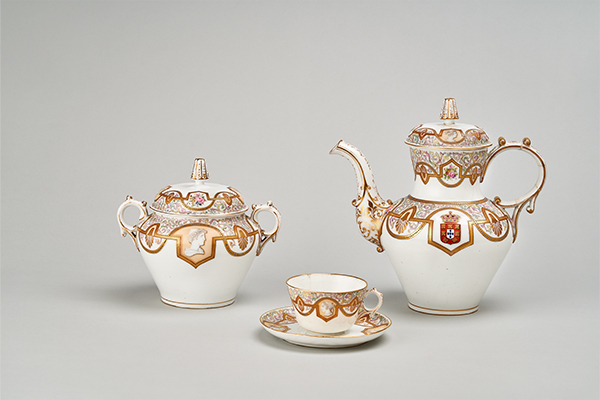
In 1852, cementing the brand’s reputation and royal preference, King Fernando II visited the Vista Alegre Factory, and a complete monogrammed tableware set was produced for the Royal House to celebrate the event.
In 1867, Vista Alegre received international recognition at the Paris Universal Exhibition, a show that brought together exhibitors from 41 countries, where the quality and artistry of Portuguese porcelain earned worldwide praise.
Late 19th Century
Growth, transformation, and crisis
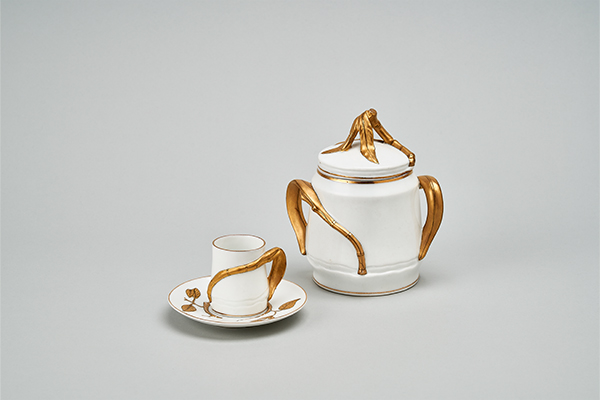
During the following decades, there was a period of greater industrial development. The style was simplified, acquiring a markedly romantic tone, while mechanical decoration techniques were introduced.
However, the difficulties experienced during the turn of the century marked the beginning of a period of financial decline for the company. The social and political crisis that the country was going through, aggravated by insufficient commercial management and some artistic uncertainty, are some of the complex factors that help to understand the difficulties experienced until the beginning of the 20th century.
In 1880, Vista Alegre ceased glass production – which it would resume in the 21st century – exclusively manufacturing porcelain.
1920
The resurgence
In 1920, with the appointment of João Theodoro Ferreira Pinto Basto, great-grandson of José Ferreira Pinto, as CEO of the company, a period of resurgence for Vista Alegre began.
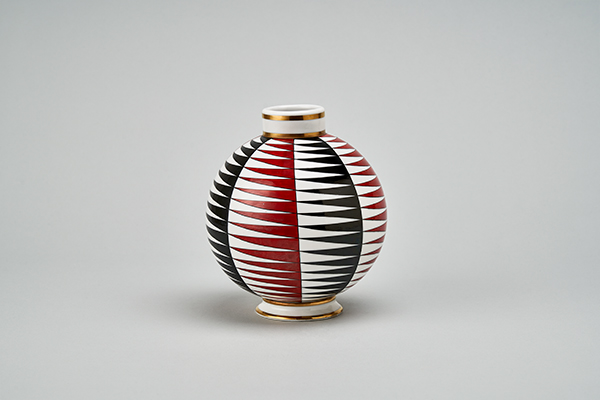
Associated with growth and renewal in the industrial area, there was a strong creative revitalization. Modern styles such as art deco, various modernism styles and functionalism demonstrated the company’s ability to adapt to the cultural, industrial, social and aesthetic changes of the first half of the 20th century.
1947-1963
Modernization, training and international expasion
Success was solidified in the second half of the 20th century, with profound industrial restructuring that made production more profitable and reinforced the response to increased consumption and globalization. The maintenance and improvement of highly specialized manufacturing, based on the know-how of the workers and a centuries-old tradition, established the Factory among the great European manufacturers. Between 1947 and 1968, the focus on exports, the modernization of facilities, the training of technical staff and cooperation with European industries and artists boosted the company’s development and its entry into new markets.
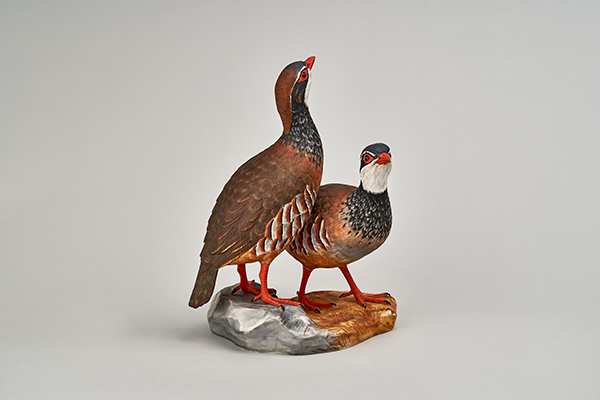
The brand’s prestige is reinforced by the regular creation of exclusive pieces for monarchs, heads of state and other major figures in politics and society, along with multiple partnerships with prestigious contemporary artists.
1964-1980
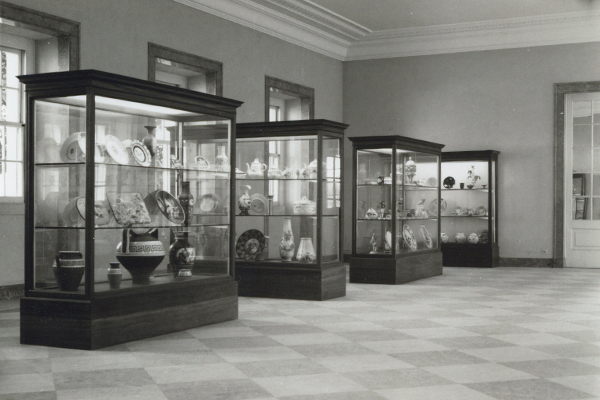
In 1964, the Vista Alegre Museum was inaugurated, exhibiting representative pieces from the long and rich journey of the brand to the public.
In 1985, the Centre for Art and Development of the Company (CADE) began its activities, aiming at fostering the creation of new models and decorations, as well as promoting training in the areas of painting and sculpture.
Late 1980s
Iternational affirmation
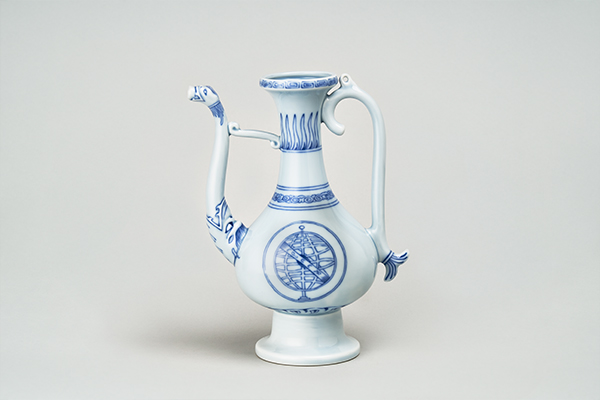
By the end of the 1980s, important international exhibitions of the brand took place in institutions as relevant as the Metropolitan Museum of Art, MoMA, in New York, and the Palazzo Reale, in Milan. Events that contributed decisively to the dissemination and internationalization of the Vista Alegre brand.
2001
Vista Alegre and Atlantis: a new dimension
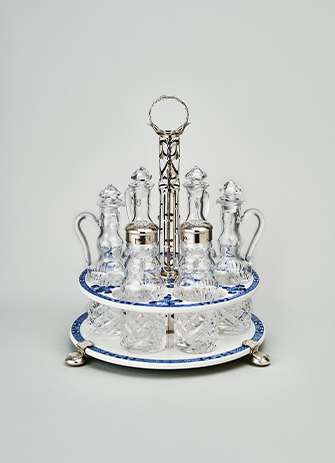
In May 2001, Grupo Vista Alegre merged with Grupo Atlantis, forming the largest national tableware group and the sixth largest in the world in this sector: Grupo Vista Alegre Atlantis (GVAA).
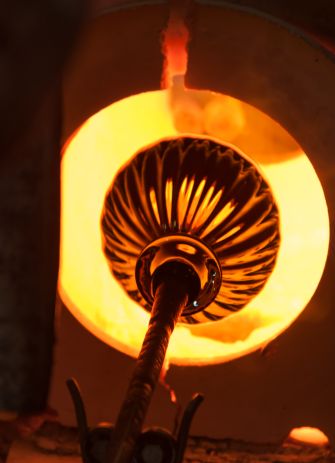
The merger once again intertwined Vista Alegre’s history with the production of high-quality glass, and it marks the beginning of crystal manufacturing under a single banner.
The resulting holding company began operating in areas as diverse as tableware, decorative and hotel porcelain, earthenware, ovenware, crystal, handmade glass as well as retail and distribution networks.
2009

Integration into Grupo Visabeira
In 2009, GVAA became part of the Grupo Visabeira company, following a successful public takeover bid of Vista Alegre Atlantis share capital.
Today
A living and dynamic heritage
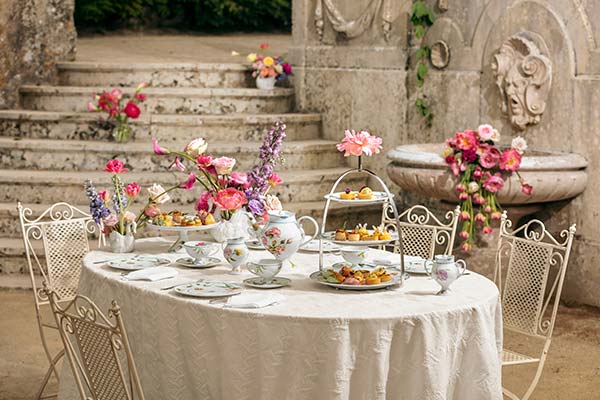
More than just a factory space, Vista Alegre is today a business, historical, cultural and architectural complex of unparalleled importance – a vast heritage of social, labor and artistic memories fundamental to the construction of a national identity.
Beloved by the Portuguese and synonymous with quality, art, design and prestige, Vista Alegre projects the name of Portugal internationally, with its presence in more than 100 countries.
Crystal and Glass at Vista Alegre
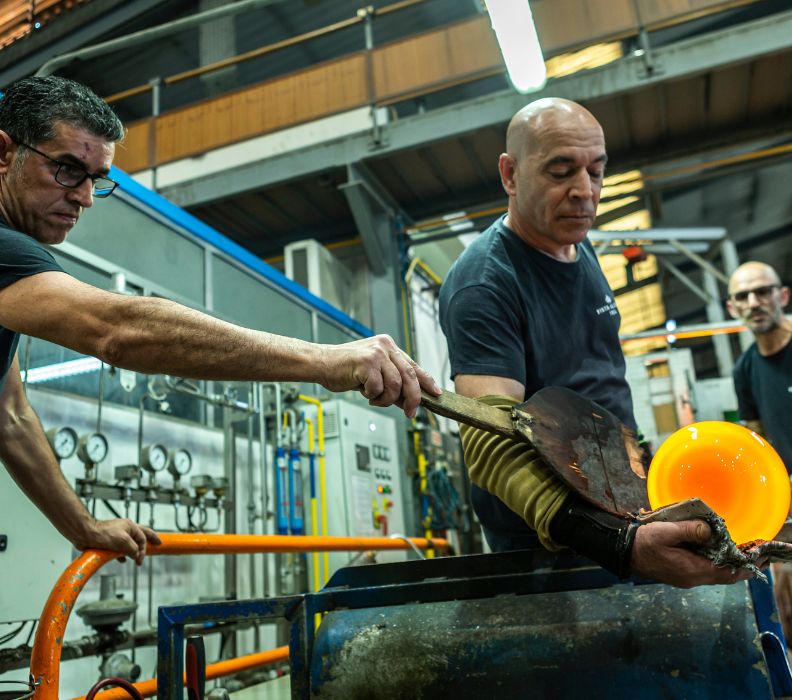
Atlantis Factory
The first crystal pieces in the Vista Alegre universe were created in 1972, in the town of Alcobaça, produced by the Atlantis factory. Continuing the ancient Portuguese art of glassmaking, the factory already distinguished itself in the production of some of the best handmade lead crystal in the world.
The Alcobaça factory, which since 1944 had been producing chandeliers and domestic glassware, was adopted in the early 1970s to the production of superior lead crystal.
All stages of production, however, continued to be crafted by hand, preserving the age-old knowledge of the craftsman and using molds and blowpipes.
The quality of the products profoundly changed the perception of consumers, who progressively began to value national crystal. The pieces produced in Alcobaça began to earn the trust and preference of the Portuguese and international market.
The fusion
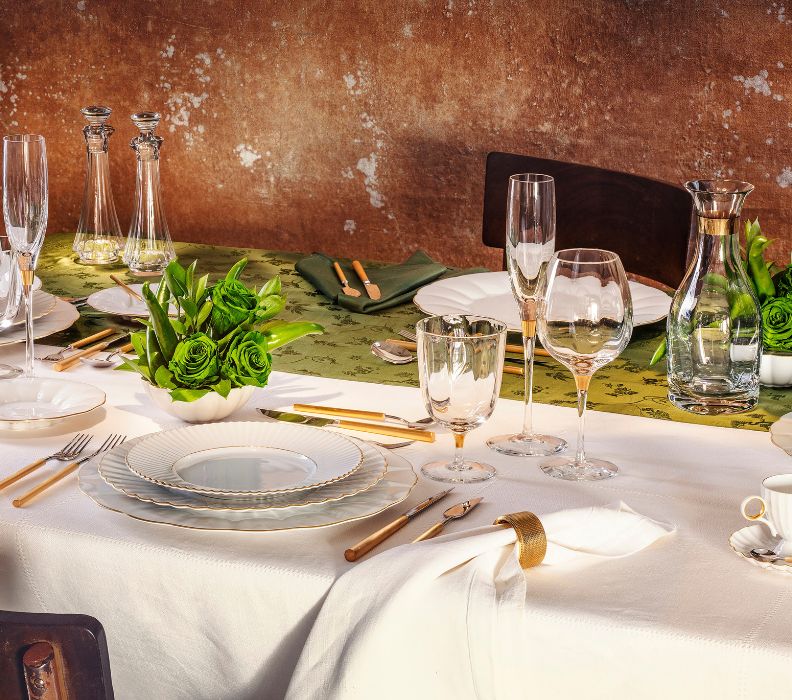
The fusion of two types of knowledge and two types of traditions
In 2021, Atlantis was integrated into Grupo Vista Alegre, which proved crucial in boosting its business reach, particularly in key international markets.
Unanimously recognized as a manufacturer of some of the purest crystal in the world, the Alcobaça Factory began operating under a single brand in 2013, with all products manufactured there being marketed under the Vista Alegre name – resuming, expanding and extending an activity interrupted in the 1880s.
Blending ancient craftsmanship work, cutting-edge technology and the best contemporary design, Vista Alegre crystal and glass are today undisputed leaders in their segment domestically and one of the largest international players – forming a prominent part of the company’s product portfolio and continuing to conquer new markets and public.